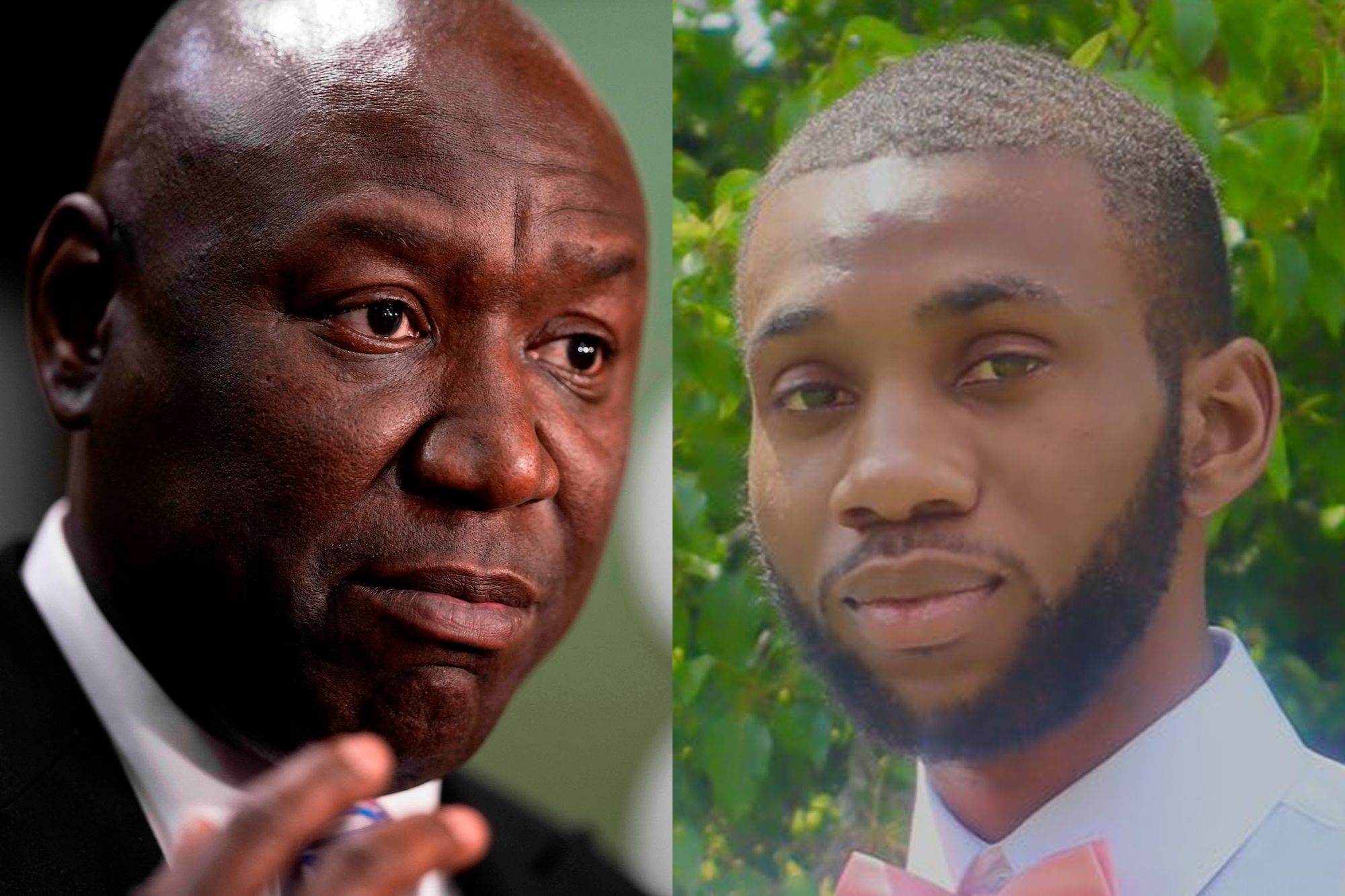
Trey Reed was 21 when he was found hanging from a tree on the Delta State University campus in Cleveland, Mississippi, on September 15, 2025. The state medical examiner determined that he died by hanging and classified the death as a suicide. His family is asking a separate question now: what happened to the independent autopsy and the people who said they would help them get answers?
In interviews with the Mississippi Free Press, Trey’s mother, Sophia Reed, and grandmother, Sharon Candy Tillman, said they had not received a final report from the independent examination. They also described months of difficulty reaching attorney Ben Crump’s team. Colin Kaepernick’s Know Your Rights Camp Autopsy Initiative paid for that second examination. The Free Press reported that its repeated requests for comment to Crump’s office and the initiative went unanswered.
What is known about the autopsies
The state examination, performed two days after Trey was found, recorded the cause of death as hanging and the manner as suicide. The independent pathologist, Dr. Matthias Okoye, spoke with family members in an October 2025 video call about preliminary observations, according to those family members. They said he could not reach a final conclusion without additional evidence. The preliminary discussion does not overturn the state finding, and no final independent report was available to the family in the Free Press’s July 30 account, updated September 15.
The family also told the Free Press that Trey’s girlfriend received messages from his phone the evening before he was found that threatened suicide. Those messages are part of the reported record. Earlier online claims that the independent examination had proven an assault or murder have not been substantiated by a final report. Treating a family’s grief seriously means describing the evidence as it is.
When the cameras leave
A young Black man found hanging in Mississippi summoned a painful collective memory. The country has a history of lynching and of institutions that denied Black families the truth. That history explains the urgency and the fear many people felt when Trey’s death became national news. It does not establish that racism or another person caused his death. The state medical examiner’s determination remains suicide.
What the family says it needs is straightforward: the complete independent report if one exists, a clear account of whether that work remains unfinished, and direct communication from the people who offered their help. They deserve answers about those commitments regardless of whether a second examination changes the medical finding.
We can stand with Trey’s family without rewriting the evidence. Staying with a family after the headlines fade means listening to what they are asking for now, following up on promises, and leaving room for their grief and for the truth.